
What do relief sites need first?
Water and a place to go. That is the whole list at hour one. OSHA 1926.51(a)(1) requires an adequate supply of potable water at any place of employment, and that standard applies just as much to a relief staging area run by contractors or a municipal crew as it does to a job site. Pair that with toilets sized to the crowd: OSHA 1926.51(c) sets ratios by headcount, one toilet for 20 workers or fewer, scaling up from there. A shelter in Champaign holding 60 displaced residents needs more than a single unit parked by the door. We usually bring standard portable toilets in blocks, add a handwashing station or two at the entrance, and follow up with a portable sink rental near any food service point. Soap and towels matter here too. 29 CFR 1910.141(d)(2) requires washing facilities to be stocked with soap and towels or a hand-drying device; hand sanitizer alone does not satisfy that. If the site has residents using wheelchairs or has mobility limits common after evacuations, at least one accessible unit belongs in the mix under ADA Standards 213.2, which requires 5 percent of a cluster to be accessible units, never fewer than one.
How fast can Champaign Porta Pros deliver after a disaster?
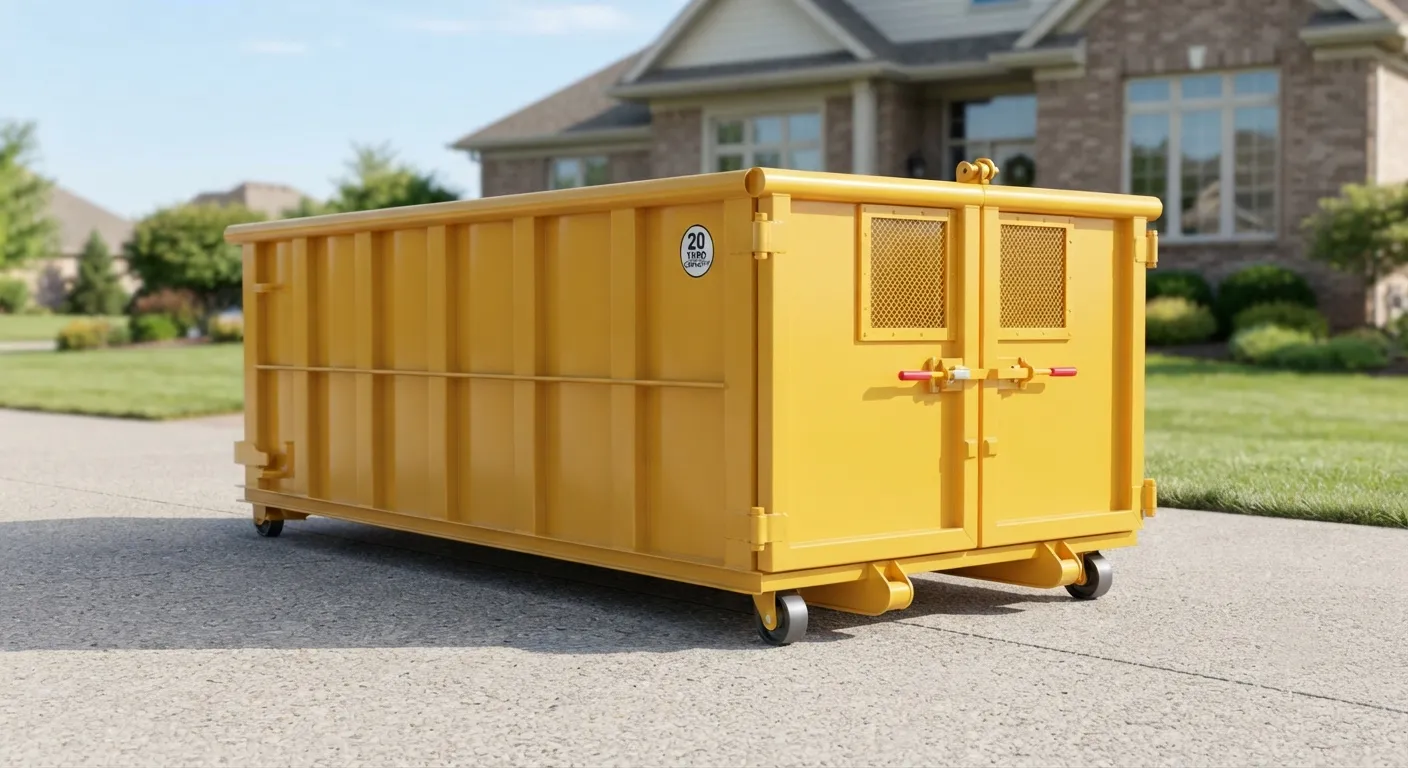
Delivery windows shrink to same-day or next-day during active response, and we prioritize shelters, water-main breaks and flood zones over routine swaps. A roll-off delivery or trailer drop still needs about 60 feet of straight clearance behind the truck, so clear a lane before we arrive, whether that is a shelter parking lot or a gravel staging pad. For flooded basements or failed septic systems, a holding tank rental can bridge the gap until the system is pumped or repaired, and our emergency septic service line runs alongside standard dispatch during weather events. Residential septic tanks are normally pumped every 3 to 5 years depending on tank size and household count, but a flood can push a tank into failure well ahead of schedule, and a warning sign like slow drains or standing water near the tank means it is time to call rather than wait. We also run emergency porta potty rental for contractors doing storm cleanup, and pair it with temporary fence rental around debris piles or damaged structures, since OSHA 1926.202 calls for barricades that meet ANSI D6.1 wherever the public might wander into a hazard. Urbana sits 4.4 miles east of Champaign and Savoy is 5.4 miles south, both within the same dispatch radius we use for relief calls, so a shelter or command post in either town gets the same response priority as one inside Champaign proper.
What does a disaster relief sanitation package usually include?
Most relief contracts we write combine a handful of unit types rather than one item alone, because a shelter and a debris yard have different needs. A shelter wants toilets, handwashing and maybe a shower trailer if displacement runs past a few days. A debris yard wants a dumpster, fencing, and a couple of standard units for the crew. Pricing below reflects short-duration relief rentals, not standard weekly job site rates.
| unit | duration | typical price |
|---|---|---|
| standard toilet | day | $150 |
| standard toilet | weekend | $250 |
| ada unit | day | $230 |
| dumpster | day | $75 |
| septic pump-out | day | $250 |
| delivery fee | day | $150 |
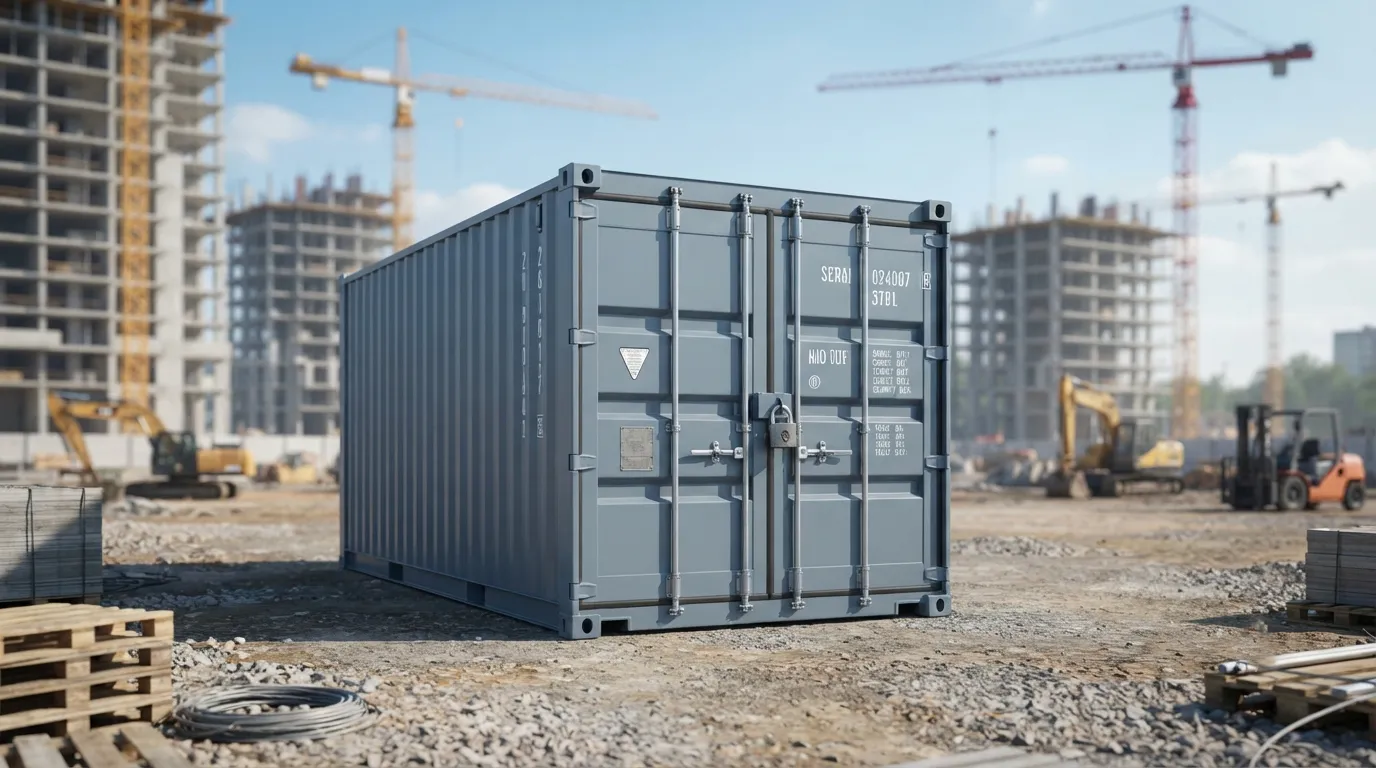
Storage matters too during long recoveries. A storage container rental can hold donated supplies or displaced equipment, and a mobile office trailer gives incident command a dry place to work. For agricultural areas hit by flooding, our farm and agricultural restrooms service follows the same field sanitation logic as OSHA 1928.110, one facility per 20 hand-labor workers within a quarter mile walk, which holds up whether the crew is picking corn or clearing storm debris.
Frequently asked questions
How many toilets does a shelter need?
It depends on headcount and hours of operation, but OSHA 1926.51(c) is the baseline: one toilet for 20 people or fewer, scaling from there. A shelter running 24 hours needs more service visits than a daytime-only site, so plan servicing frequency around actual occupancy, not just unit count.
Can you deliver during a flood watch or active storm?
We dispatch as conditions allow. Standing water and downed lines can delay a delivery truck, and safety comes before schedule. Call Champaign Porta Pros as soon as a watch is issued so equipment is staged and ready to move the moment roads clear.
Do you provide handwashing stations without a toilet order?
Yes. A standalone hand sanitizer station rental or plumbed handwashing unit works for feeding sites, triage points or donation centers that already have restroom access nearby but need washing stations added quickly.
What if the septic system fails during a disaster?
A septic tank warning sign like sewage backup or standing water near the tank means stop use and call for pumping immediately. We run emergency pump-outs and can drop a temporary holding tank the same visit.
How long can a disaster relief rental run?
As long as recovery takes. Many relief contracts start on a daily rate and convert to monthly porta potty rental pricing once the response settles into a longer recovery phase lasting weeks or months.
Next step
Get a delivery date
Tell us the address, the dates and the headcount. We size the order and confirm the route.