
How often does grease trap pumping need to happen?
The honest answer: it depends on how much your kitchen fries, sautes, and washes down the drain. That 25 percent threshold isn't a guess, it's the point where grease starts pushing past the baffle and into your line, so once your trap is measured you'll know your real interval fast. High-volume fryers and buffet lines in Champaign often need pumping monthly. A slower cafe might stretch to quarterly. If you're not sure where your restaurant falls, septic pumping service can measure it on the first visit and set a schedule from there. Waiting too long costs more than the pump-out; a backed-up line means closed doors during service, and that's the expensive kind of downtime. If a clog surfaces on a Friday night, emergency septic service is built for exactly that call, not a Monday morning appointment.
What does grease trap pumping cost in Champaign?
Most commercial grease trap jobs price closer to septic service than porta potty rental, since it's the same vacuum truck and disposal work either way. Expect a scheduled pump-out to land in the standard septic day rate range, with weekend or after-hours emergency calls running higher. Ongoing accounts often set up monthly service, similar in structure to how monthly porta potty rental works for job sites, just billed against grease volume instead of unit count.
| service type | typical range |
|---|---|
| septic/grease pump-out, standard day rate | $150 to $300 |
| septic pump-out, weekend | $50 to $150 |
Ranges shift with tank size, drive time, and how much buildup has accumulated since the last visit. A trap that's overdue takes longer to clear and costs more than one on a normal rotation. For a full cost breakdown across septic services, see septic tank pumping cost and how often to pump a septic tank for the residential side of the comparison.
Why does commercial grease trap pumping matter for compliance?
A neglected trap doesn't just smell bad, it puts your kitchen at risk of a line backup during peak hours, and that's a health inspection problem waiting to happen. Champaign restaurants share plumbing infrastructure with the rest of downtown, so an overflowing trap can become a shared problem fast. Regular service also protects your staff: handwashing facilities need soap and towels under 29 CFR 1910.141(d)(2), hand sanitizer alone doesn't satisfy it, and a kitchen dealing with a grease backup often loses working sinks in the process. If your crew is also doing exterior degreasing or using solvents, OSHA 1926.51(f)(1) requires washing facilities for that kind of contaminant exposure specifically. Pair grease trap service with a handwashing station rental or portable sink rental if your kitchen's fixed sinks are ever out of service during a pump-out. Restaurants running events off-site should also look at event restroom rental or festival restroom rental for the sanitation side of catering jobs.
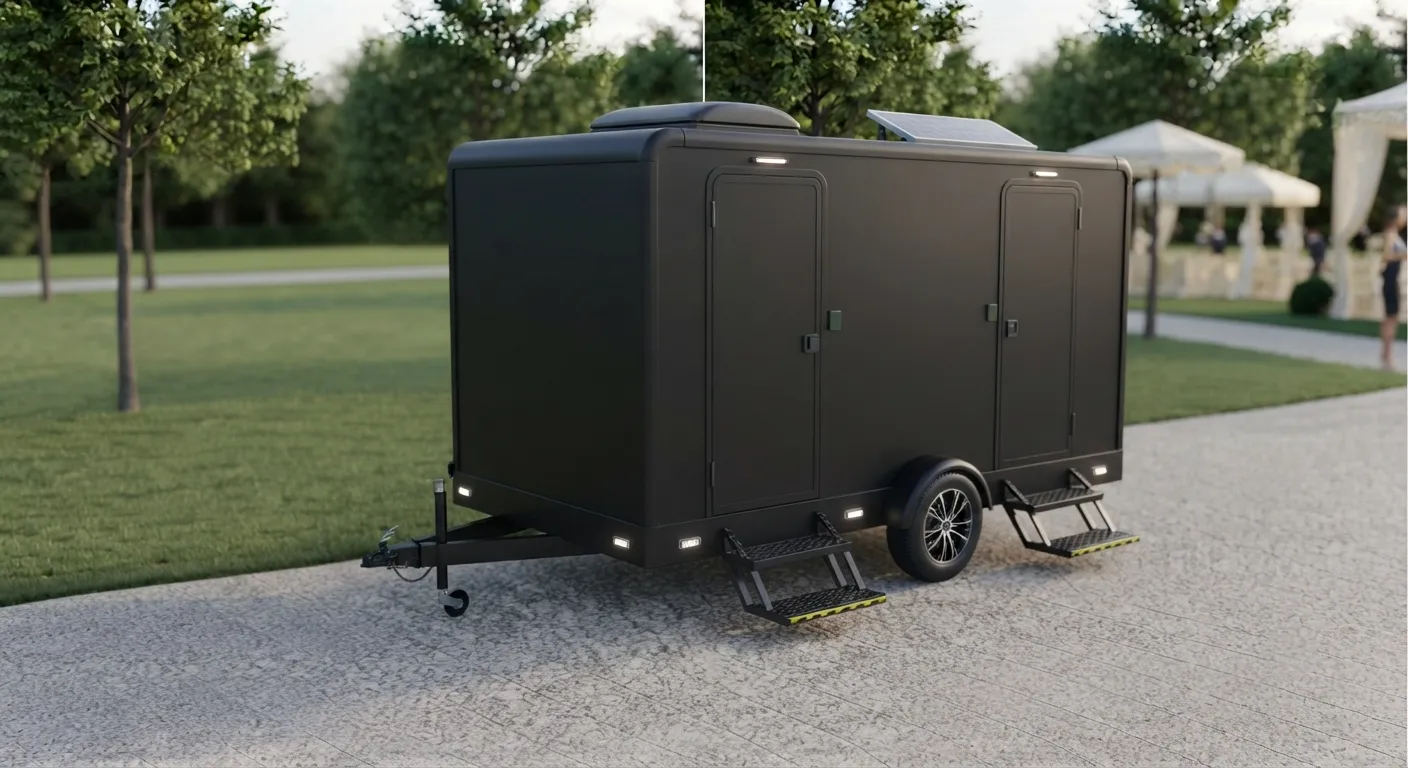
Champaign Porta Pros services traps for restaurants, food trucks, and commercial kitchens across Champaign, plus nearby stops in Urbana, 4.4 miles east, and Savoy, 5.4 miles south. Construction sites running temporary kitchens or food service trailers can bundle grease service with construction site services or a restroom trailer rental for the crew. If your business is scaling up catering or event work, portable restroom rental and temporary fence rental round out a job site setup alongside grease service.
Frequently asked questions
How do I know if my grease trap needs pumping now?
Slow drains, gurgling sinks, or a sour smell near the trap access panel mean it's likely past 25 percent capacity already. Don't wait for a full backup. Call for an inspection; if it's close, scheduling now beats an emergency call next week.
Can I schedule recurring grease trap service?
Yes. Most commercial kitchens set up a fixed interval, monthly or quarterly, based on volume. Recurring accounts avoid emergency pricing and keep the trap under the 25 percent threshold consistently, which protects your line from unexpected backups.
What's the difference between a grease trap and a septic tank?
A grease trap catches fats, oils, and grease from kitchen wastewater before it reaches the sewer line. A septic tank handles all wastewater for a property without municipal sewer access. See septic tank cleaning for how the two services differ in practice.
Does Champaign require permits for grease trap service?
Placement and disposal requirements can vary by property and connection type; confirm specifics with the city before scheduling. We handle the pump-out and disposal paperwork on our end regardless.
What happens to the waste after pumping?
It's hauled to an approved disposal facility, the same process used for septic pumping service work. Nothing is dumped on-site or in a storm drain, and the truck handles transport the same day.
Next step
Get a delivery date
Tell us the address, the dates and the headcount. We size the order and confirm the route.