
How many restrooms does a film set actually need?
Start with headcount, then split it by role. Crew gets standard portable toilets rated for construction-style use; OSHA 1926.51(c) sets the baseline at one facility for 20 workers or fewer, with the ratio climbing at 40 and again past 200 on bigger productions. A 15-person indie shoot in Champaign might run fine on two units and a handwashing station rental. A network-scale production with 80 crew, 20 background actors and a base camp needs a mixed order: several standards, a deluxe flushable unit for department heads, and often an ADA accessible porta potty since ADA Standards section 213.2 requires at least 5 percent of a cluster of single-user units to be accessible, never fewer than one. Talent trailers change the math again. A star or a lead who needs privacy between takes usually gets a private trailer bathroom instead of sharing the crew line, and that unit gets serviced on its own schedule so it is never mid-cycle when the actor needs it. Location scouts should also check ground: units need level, firm footing per ADA Standards section 302.1, which matters on a gravel lot or a soft field outside town. If you are still sketching the order, the how many porta potties do I need guide walks through the math role by role, and construction site services covers what a base camp crew build typically includes beyond restrooms.
What restroom options work best for cast and crew?
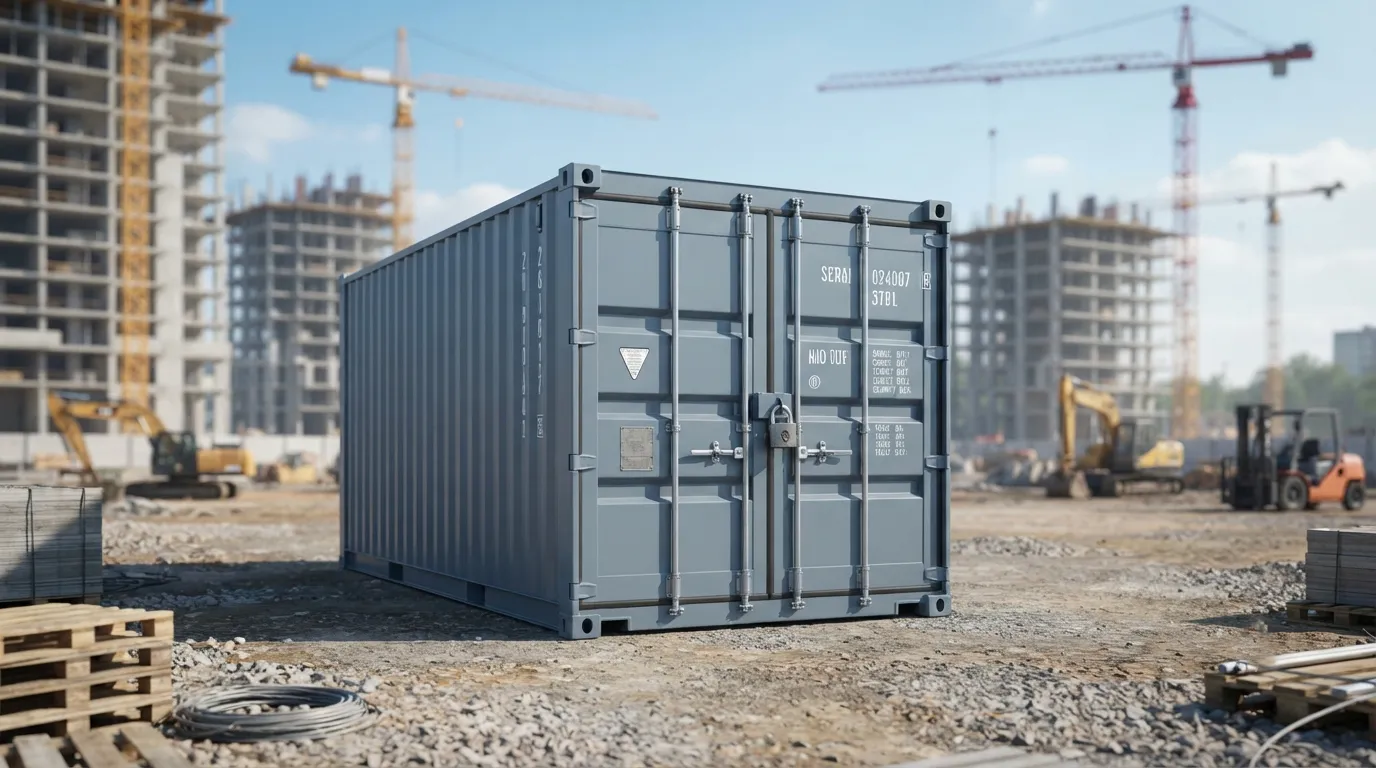
Crew restrooms and talent restrooms are different problems, so price and spec them separately. Crew wants fast turnover and low fuss: a standard unit with a 60 to 70 gallon holding tank, about 44 by 48 inches on the ground and 92 inches tall, fits tight backlot parking and moves easily between setups. Talent and department heads want more, so a deluxe flushable porta potty or a full restroom trailer rental makes sense on multi-day shoots. A 2 stall restroom trailer covers a small principal cast; an 8 stall restroom trailer handles a larger ensemble or a background-heavy day. For night shoots or interior stages built in a warehouse, pair restrooms with a light tower rental and check power needs against a temporary power pole if the location lacks house power; portable generator rental film crews rely on typically runs separate from the toilet trailer's own generator, so confirm both loads before generator day. Production also needs handwashing that meets code: 29 CFR 1910.141(d)(2) requires soap and towels or a hand-drying device at wash stations, and hand sanitizer alone does not satisfy it. A portable sink rental or handwashing station rental covers that requirement at base camp and near catering.
Where can restrooms be placed on a Champaign location?
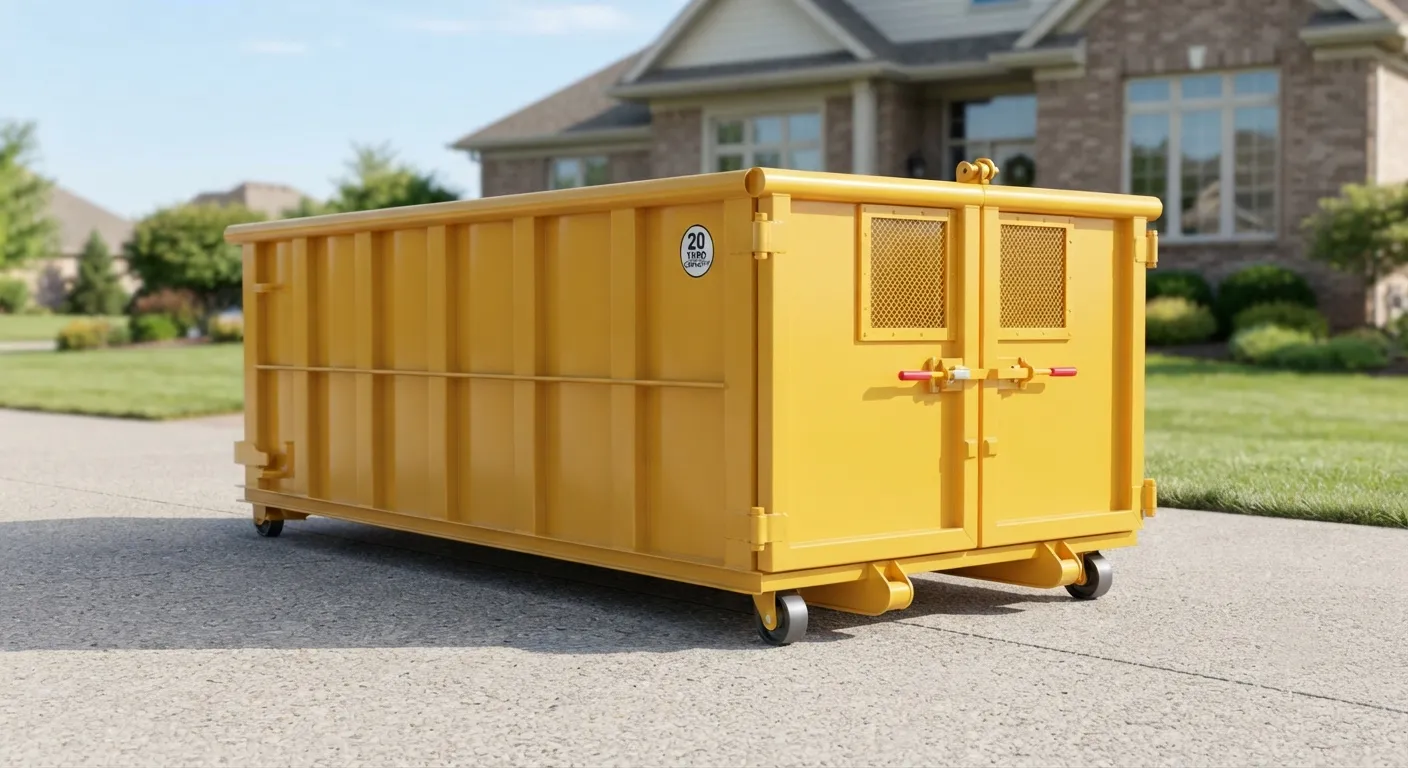
Placement depends on the lot, the street, and how much of the shoot spills into public right of way. If a unit sits on private property, like a rented backlot or a farm field, placement is mostly about ground stability, sightlines out of frame, and keeping the accessible route clear per ADA Standards section 403.5.1, which sets a 36 inch minimum clear width. If any part of the setup lands on a city street, sidewalk, or municipal lot in Champaign, that placement in the public right of way needs confirming with the city before delivery day; production coordinators should not assume a location manager's verbal okay covers it. Delivery access matters too: a roll-off dumpster rental for set strike debris needs about 60 feet of straight clearance behind the truck, and restroom trailers need similar room to back in and level. Productions shooting near Urbana, 4.4 miles east, or Savoy, 5.4 miles south, sometimes split a unit order across two nearby lots on the same shoot day, and Champaign Porta Pros handles both stops on one route. For locations further out toward Mahomet, 9.0 miles northwest, or Seymour, 9.3 miles west, build delivery time into the call sheet. The porta potty placement guide and porta potty permit requirements page both go deeper on right-of-way questions before you lock a location.
Frequently asked questions
How far in advance should a production book restrooms?
Book as soon as the location is locked, ideally two to three weeks out for multi-day shoots. Weekend and event-rate units move fast during festival season. For a same-week shoot, call anyway; the emergency porta potty rental option often covers last-minute location changes.
Can we rent just one restroom trailer instead of multiple portable toilets?
Yes, if headcount is under roughly 20 and everyone shares one line. A 4 stall restroom trailer covers a small crew comfortably. Larger crews still need the OSHA 1926.51(c) ratio met, so a single trailer may not be enough once background actors show up.
Do we need a generator for a restroom trailer?
Most trailers need power for lighting, water pump and climate control. Some come with a self-contained generator; others need a shore hookup or a rental generator sized to the unit. Confirm the amp draw with the delivery crew before generator day.
What does it cost to rent restrooms for a one-day shoot?
A standard unit runs 100 to 350 dollars a day, while a deluxe unit for talent can run from 85 up to 1,200 depending on features. See the porta potty rental cost page for a full breakdown by unit type.
Is a handwashing station required even if we have a restroom trailer?
Trailers often have sinks, but a separate handwashing station near catering and props is standard practice on set. 29 CFR 1910.141(d)(2) requires soap and towels, not just sanitizer, at any dedicated wash station.
Next step
Get a delivery date
Tell us the address, the dates and the headcount. We size the order and confirm the route.